
Optimal Timing for Tree Removal
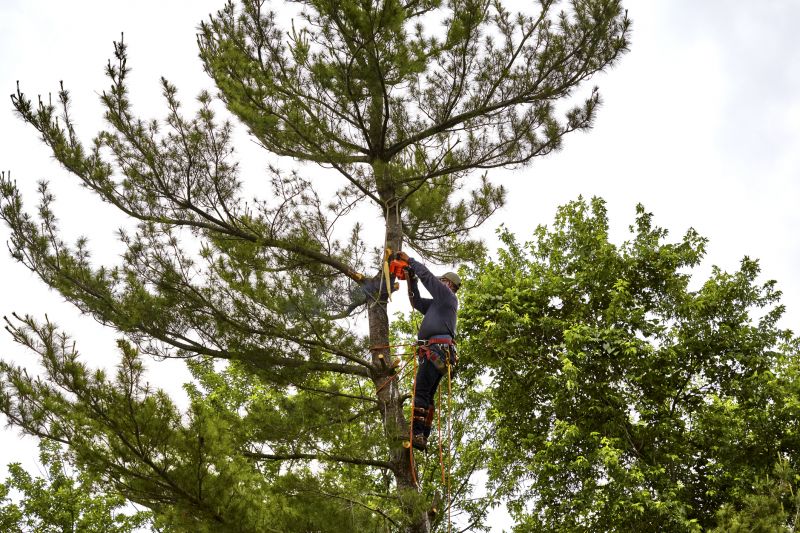
Winter is often considered ideal for tree removals due to dormant trees and less impact on surrounding landscapes.
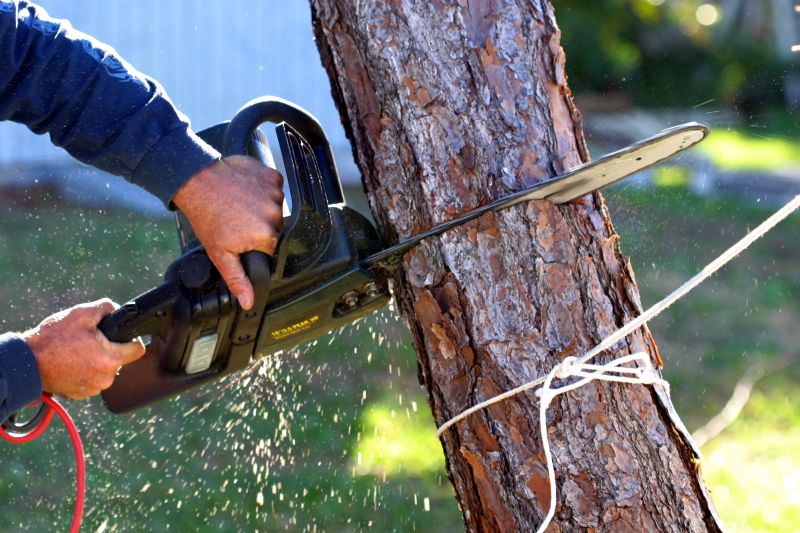
Spring can be suitable for removals when trees are beginning to grow but may cause more disruption during active growth periods.
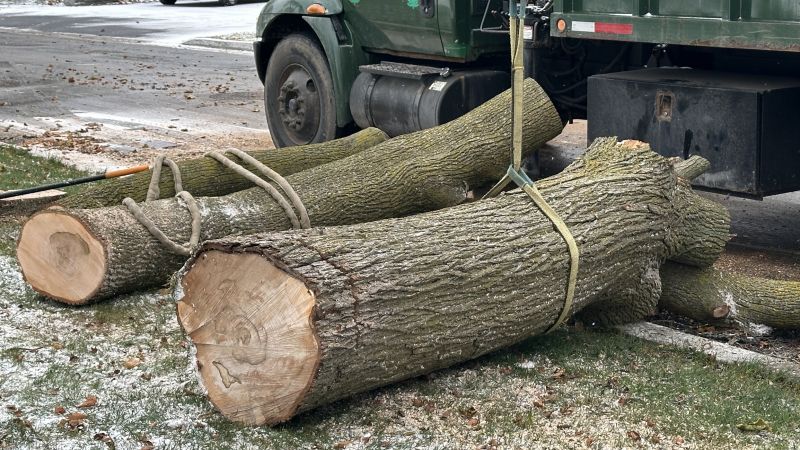
Summer removals are possible but may be more challenging due to increased foliage and heat conditions.
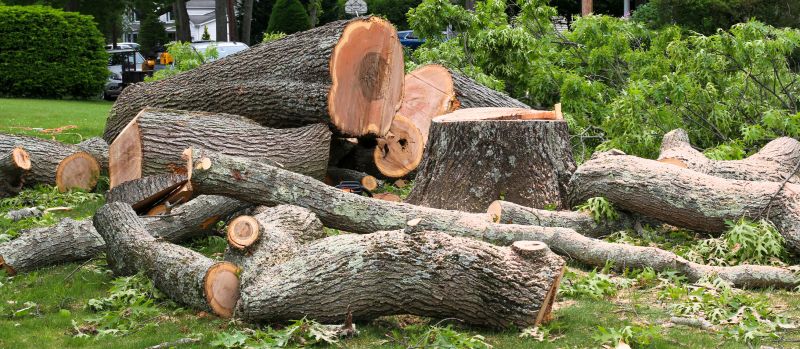
Ways to make Tree Removals work in tight or awkward layouts.
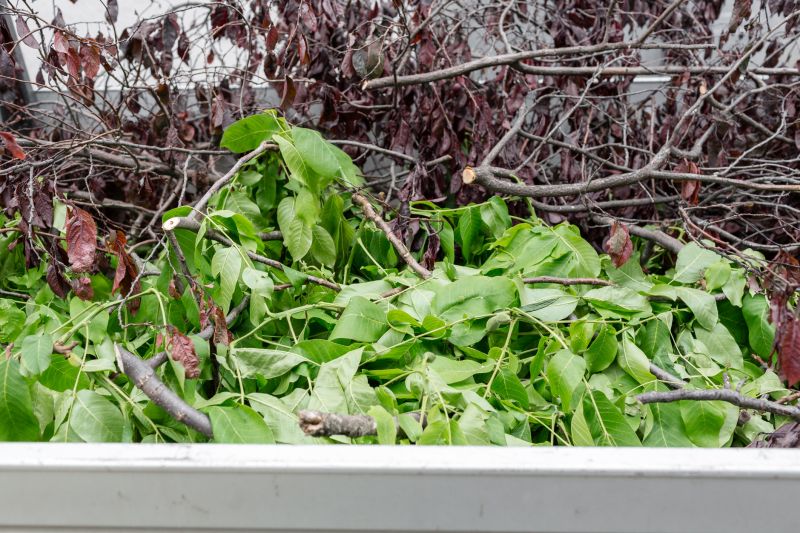
Popular materials for Tree Removals and why they hold up over time.
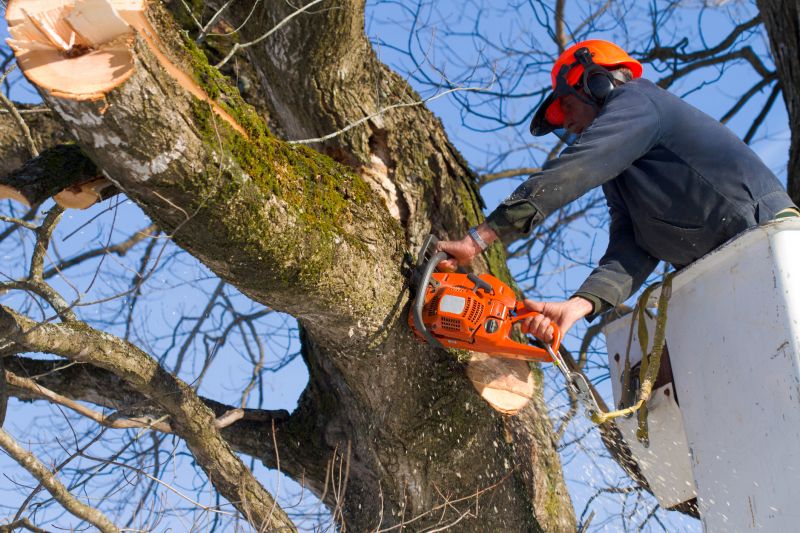
Simple add-ons that improve Tree Removals without blowing the budget.
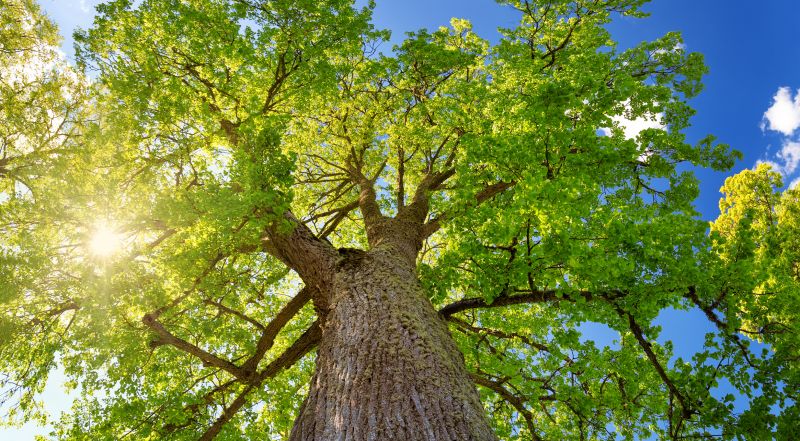
High-end options that actually feel worth it for Tree Removals.
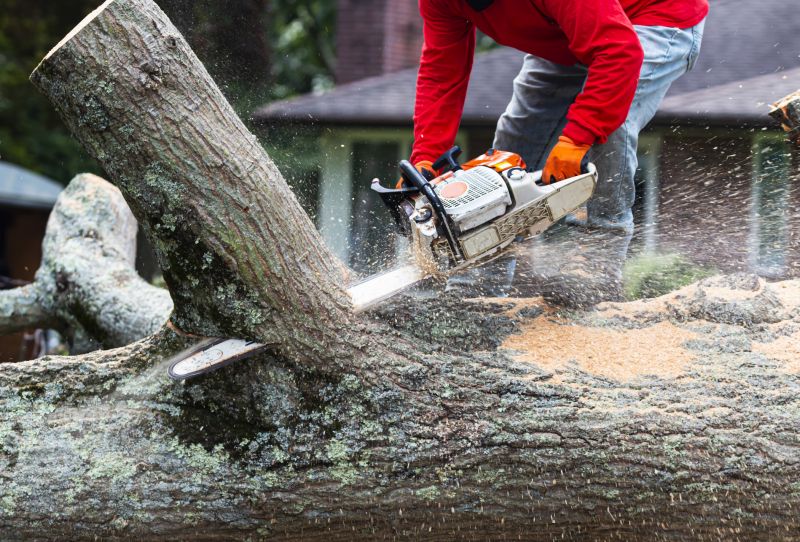
Finishes and colors that play nicely with Tree Removals.
Tree removal timing significantly impacts safety, tree health, and landscape preservation. Proper timing can reduce risks associated with storms, disease, and decay. Generally, late fall through winter is preferred for removing most types of trees, as they are in dormancy and less likely to be affected by pests or diseases. Additionally, winter removals tend to be less disruptive to surrounding vegetation and property.
Statistics indicate that approximately 60% of tree removals are performed during the dormant season, primarily in winter. This timing allows for easier access, reduced leaf and foliage interference, and minimizes the impact on landscaping. It also provides an opportunity to assess the tree's structural integrity without the influence of active growth.
Removals during dormancy reduce stress on nearby plants and decrease the risk of pest spread.
Removing trees before storm seasons can prevent damage and reduce hazards during high winds.
Timely removal of diseased or decayed trees minimizes risks to property and other vegetation.
Timing removals to avoid peak growing seasons helps preserve the health of surrounding trees and plants.
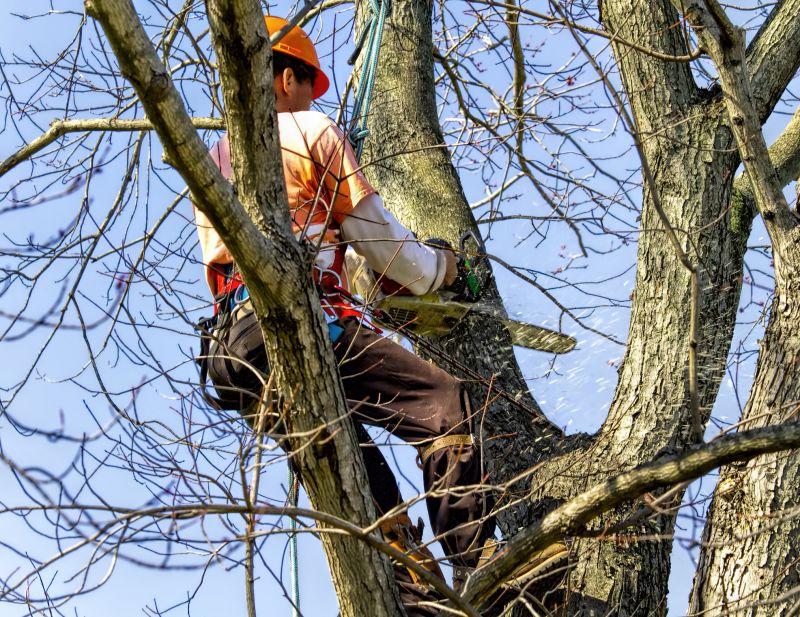
Specialized equipment used for safe and efficient tree removal.
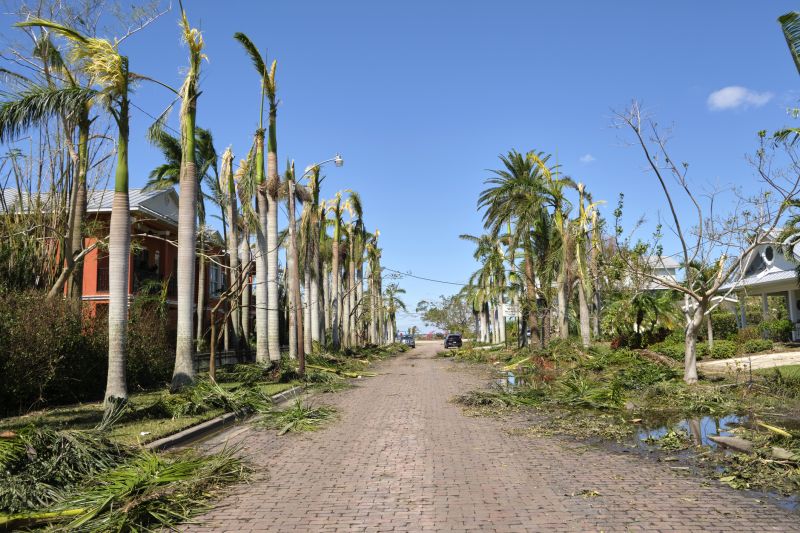
Removing fallen or damaged trees after storms to prevent further hazards.
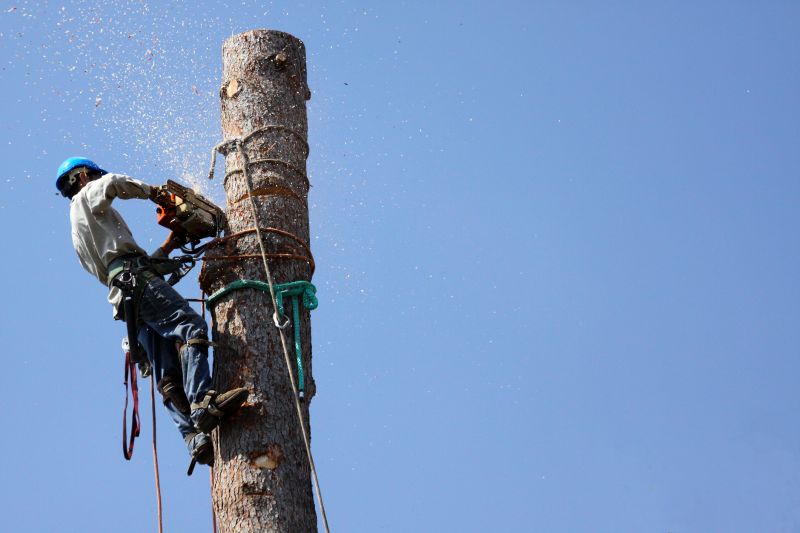
Selective removals to maintain landscape health and safety.
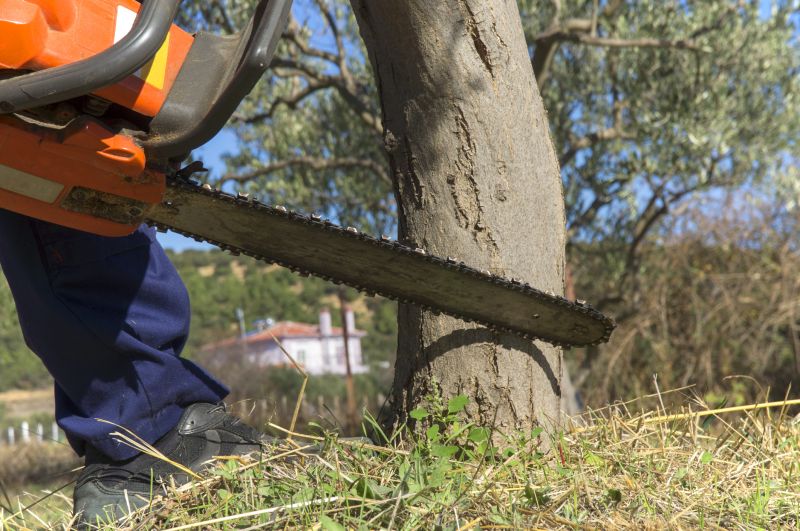
Step-by-step process of safely cutting and removing trees.
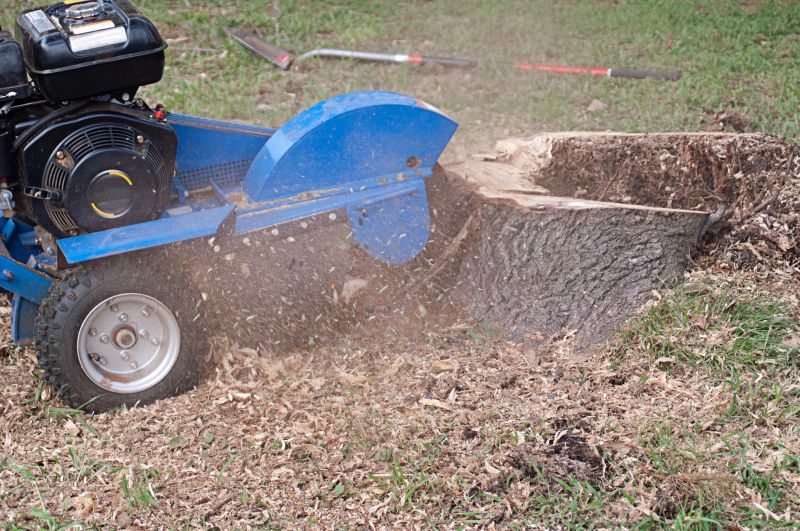
Post-removal services to clear stumps and roots.
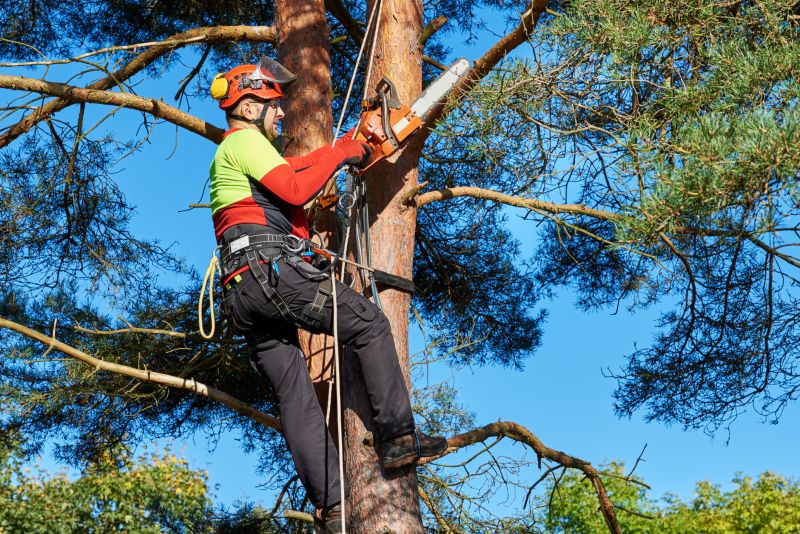
Protective gear ensuring safe removal operations.
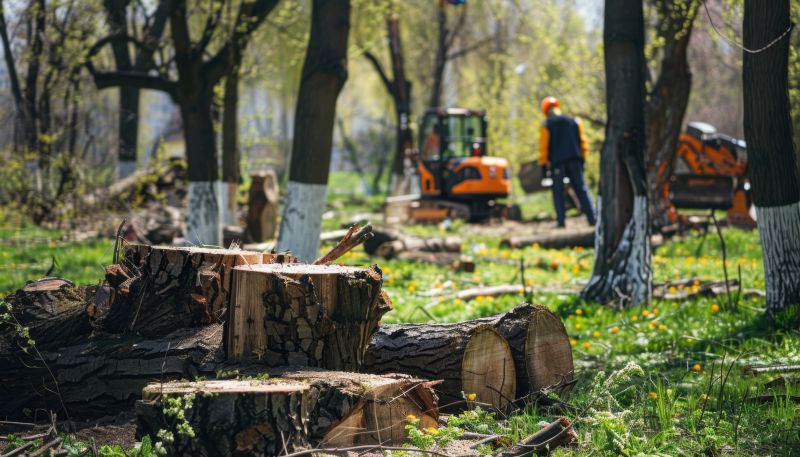
Strategies to minimize landscape disturbance during removal.
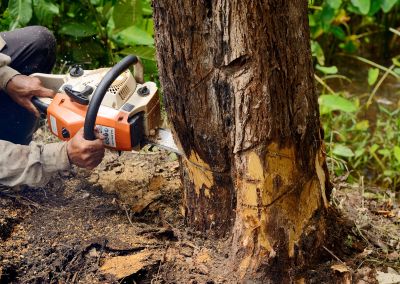
Assessment and planning for efficient removal projects.
| Season | Best for Tree Removals |
|---|---|
| Winter | Ideal for most removals due to dormancy and minimal foliage. |
| Spring | Possible but may interfere with active growth and flowering. |
| Summer | Less preferred; foliage and heat can complicate removal. |
| Fall | Suitable for some removals; timing depends on local climate. |
| Storm Season | Removals may be necessary post-storm for safety. |
Understanding the optimal timing for tree removals can contribute to safer, more efficient projects and healthier landscapes. Consulting with a professional arborist can help determine the best time based on specific tree species, health, and local climate conditions.
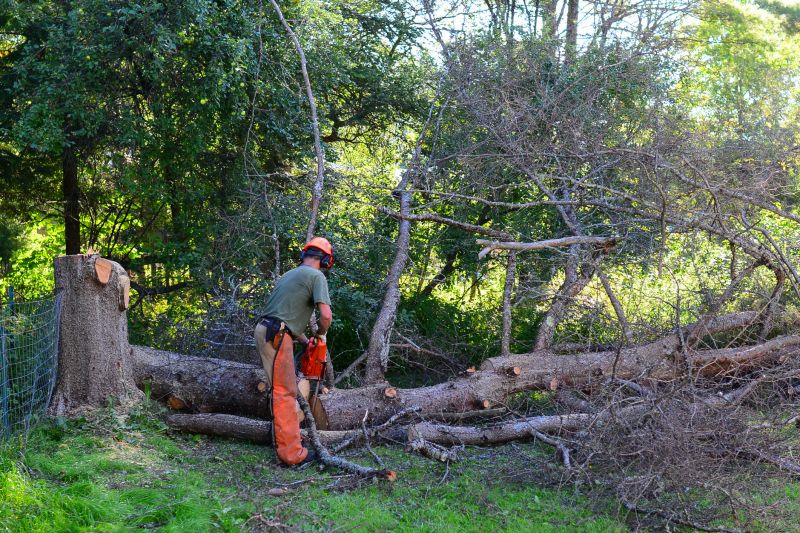
Detailed assessment ensures proper timing and safety measures.
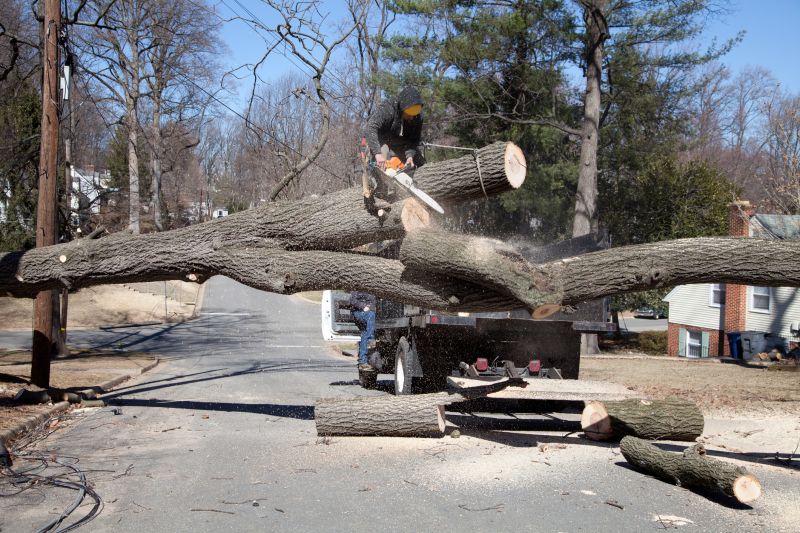
Monitoring tree health helps determine the best removal time.
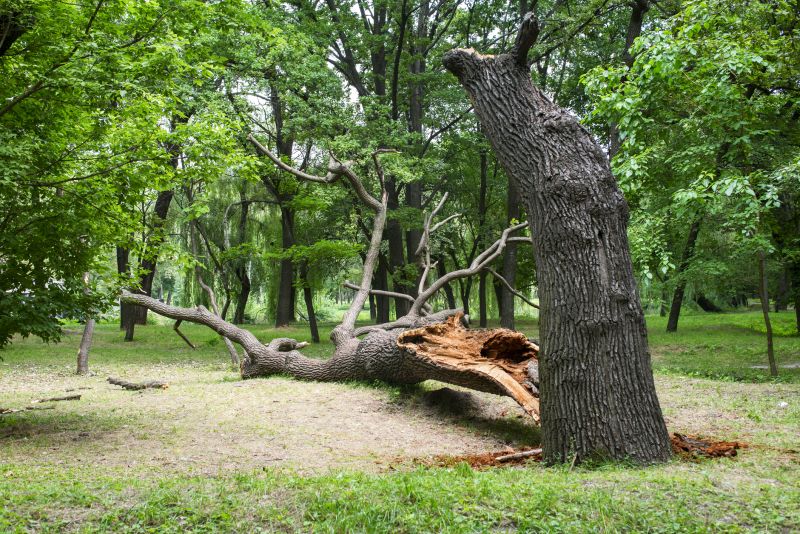
Pre-storm removals reduce damage risks during high winds.
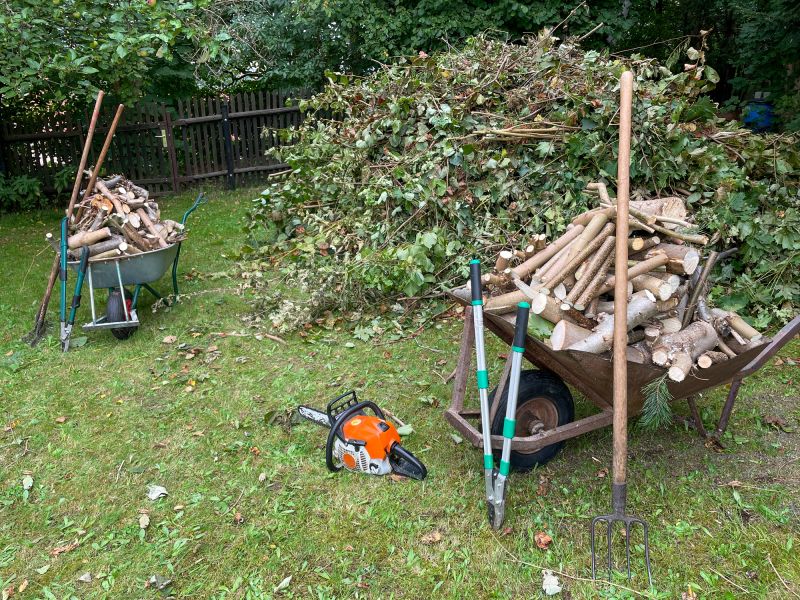
Timing removals to minimize landscape disruption.
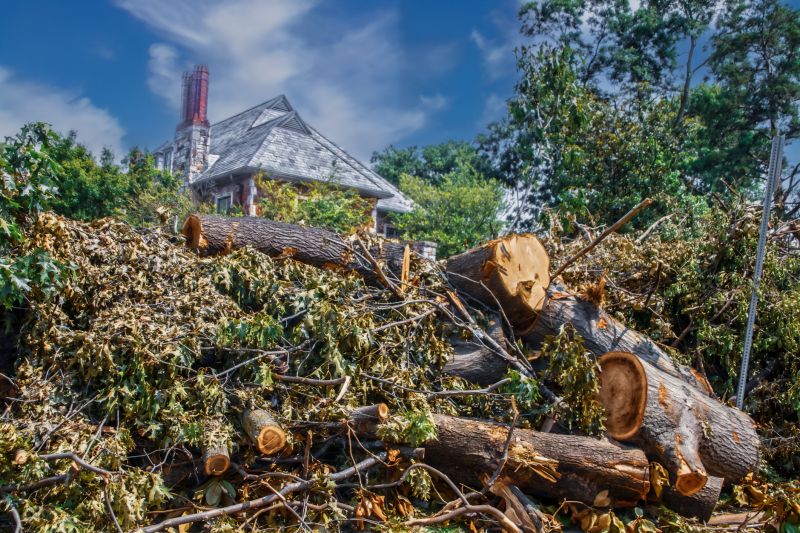
A 60-second routine that keeps Tree Removals looking new.
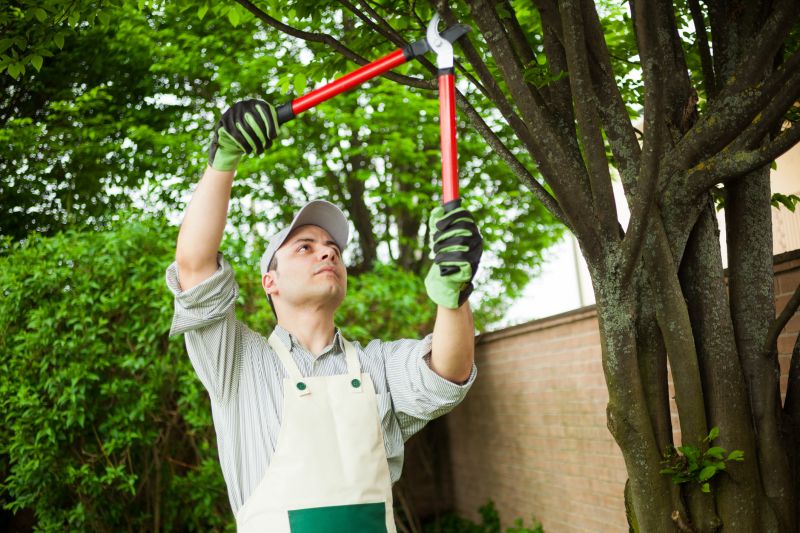
A frequent mistake in Tree Removals and how to dodge it.
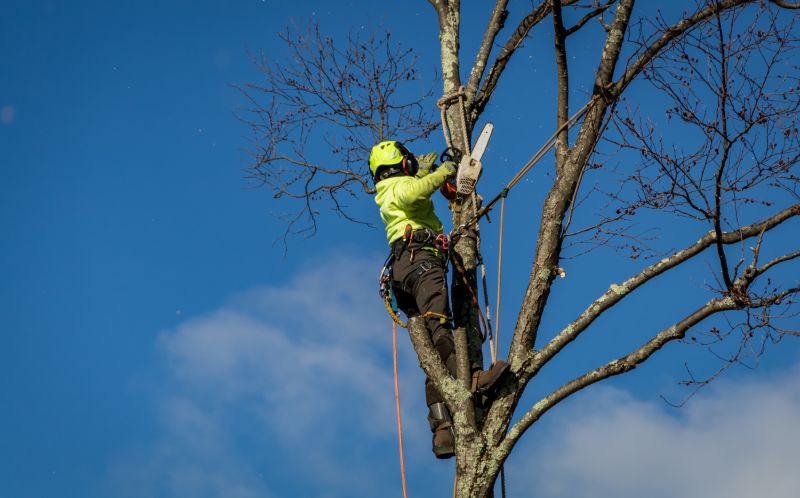
Small tweaks to make Tree Removals safer and easier to use.
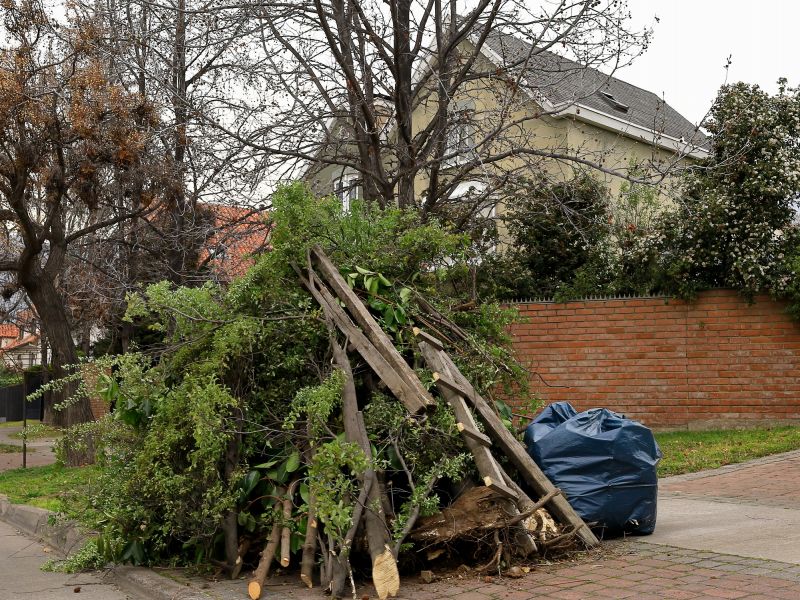
Lower-waste or water-saving choices for Tree Removals.
Interested in scheduling a tree removal? Filling out the contact form can provide the necessary details to plan the project effectively and ensure safety and landscape health.